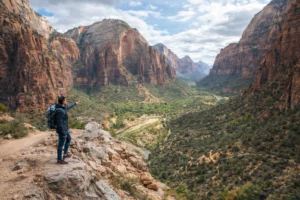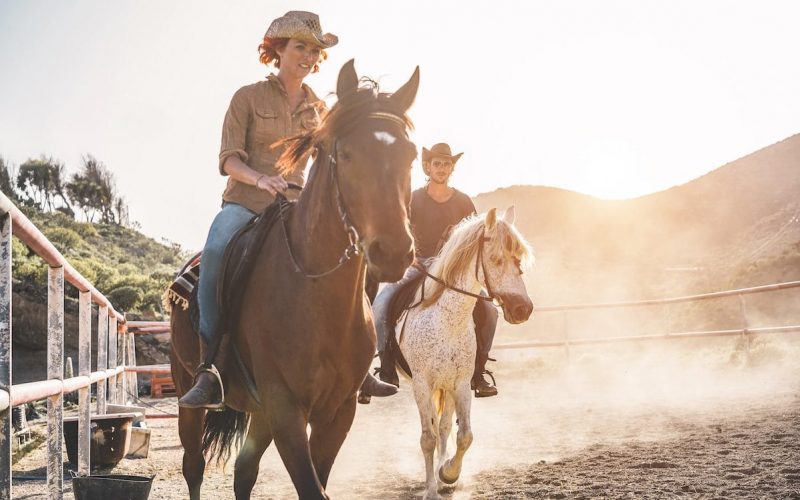
Following the same trails that Native Americans and Mormon pioneers once traveled, horseback riding in Zion National Park offers visitors a chance to experience the park’s majestic landscapes from a truly authentic perspective. This timeless activity connects modern adventurers to the park’s rich history while providing access to breathtaking views and natural wonders that can only be fully appreciated from the saddle.
Whether you’re seeking a gentle ride along the Virgin River or an adventurous journey through rugged mountain terrain, Zion offers diverse horseback riding opportunities for every skill level. From one-hour introductory rides to multi-day wilderness adventures, these guided experiences combine the thrill of horseback exploration with expert interpretation of the park’s geology, wildlife, and cultural heritage.
This comprehensive guide covers everything you need to know to plan your Zion horseback riding adventure, from tour options and seasonal considerations to practical booking details and accommodation recommendations.
Horseback Riding Options in Zion National Park
Multiple horseback riding tours operate both inside Zion National Park and on the east side from March through October, providing visitors with varied experiences across different terrain and difficulty levels. The park’s unique geography offers everything from gentle riverside trails to challenging mountain paths, each showcasing different aspects of southern Utah’s stunning landscape.
Choose from 1-hour Virgin River rides perfect for beginners, 3-hour Sandbench Trail adventures that climb 500 feet for spectacular canyon views, or 1.5-hour private canyon tours through rugged terrain between Zion and Bryce Canyon. Each tour option provides access to iconic landmarks like the Court of the Patriarchs, Three Patriarchs, and Beehives formations, allowing riders to experience these natural monuments from unique vantage points.
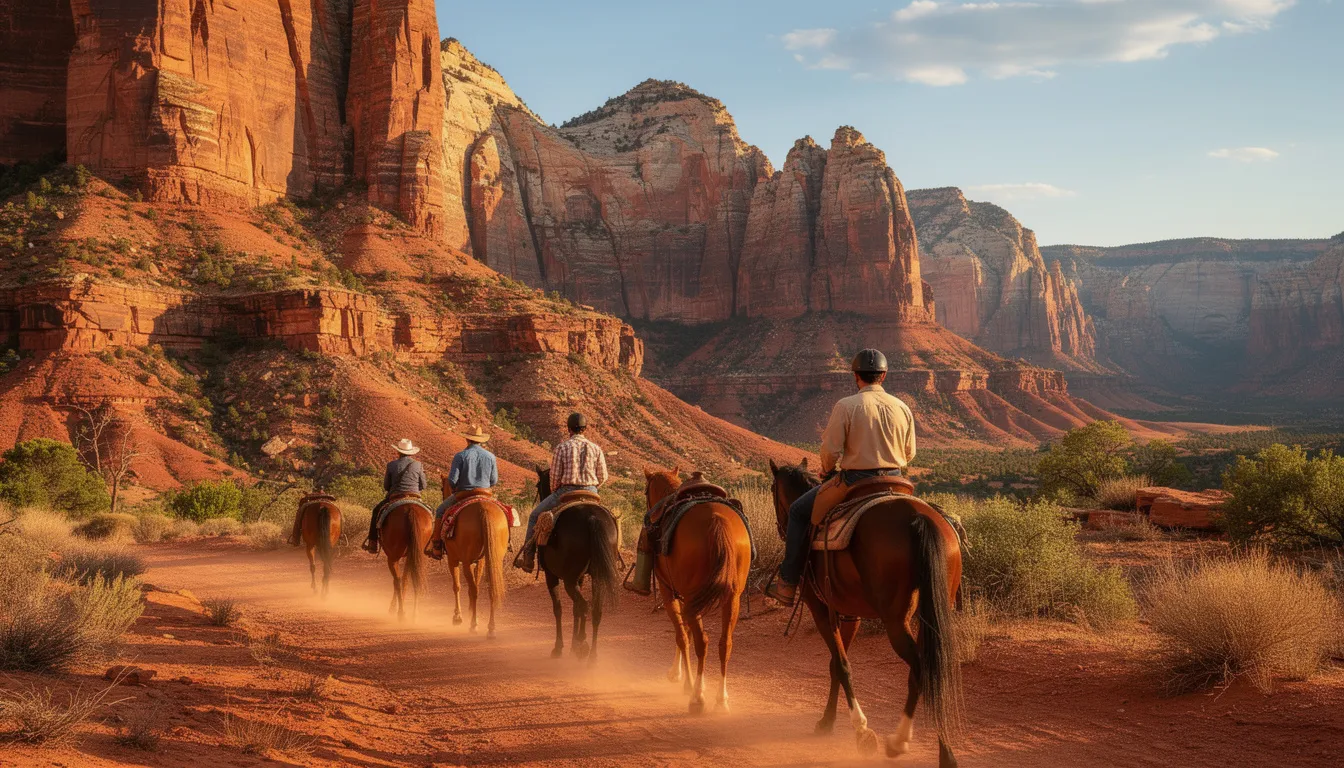
Tours accommodate riders from ages 8 to 80+ with a 220-pound weight limit maintained for both rider safety and horse welfare. This broad age range makes horseback riding an excellent choice for families seeking a memorable adventure that multiple generations can enjoy together. The experienced wranglers and well trained horses ensure that both novice and experienced riders can participate safely and comfortably.
The horseback riding experience in Zion connects visitors to the area’s rich cowboy history while providing access to remote areas of the national park that are difficult to reach on foot. These guided rides offer excellent views of surrounding mountain ranges and slot canyon formations that define Zion’s distinctive geological character.
Types of Horseback Riding Tours Available
The variety of horseback riding tours available caters to different experience levels, time commitments, and adventure preferences. Each tour type offers distinct advantages and showcases different aspects of Zion’s diverse landscape, from gentle valley floors to elevated plateaus with panoramic vistas.
Tour durations range from brief 1-hour introductory experiences to extended 3-hour wilderness adventures, with some operators offering specialized sunset rides and multi-day camping expeditions. The difficulty levels progress from easy valley rides suitable for families to more challenging mountain trail experiences that reward riders with unforgettable experience and majestic views.
All tours include safety briefings, horse and rider matching, and expert guide commentary about local geology, flora, and fauna. The ride begins with careful attention to pairing each rider with an appropriately sized horse based on experience level and physical considerations, ensuring a comfortable ride for all participants.
Virgin River Trail Experience
The Virgin River trail offers a relaxing ride along the Virgin River for approximately one mile, providing an ideal introduction to Zion horseback riding adventure for first-time riders and families. This scenic route follows the river’s gentle curves toward the Court of the Patriarchs, offering riders close-up views of towering sandstone cliffs and riparian vegetation before returning to the loading corral.
This beginner-friendly experience showcases Zion’s iconic red rock formations while maintaining an easy pace suitable for riders of all ages. The trail passes through diverse ecosystems where riders can observe wildlife including deer, birds, and occasionally bighorn sheep. The Virgin River’s flowing waters create a peaceful soundtrack throughout the journey, enhancing the natural tranquility of the experience.
Available from the Emerald Pool trailhead parking across from Zion Lodge, this convenient location makes the Virgin River ride easily accessible for park visitors staying in the main canyon area. The ride exits through the same trailhead, making logistics simple for families and groups with varying schedules.
The guided ride includes commentary about Zion’s geological formation, Native American history, and pioneer settlement patterns. Riders learn about the forces that carved these spectacular canyons while enjoying unobstructed views of formations like the Watchman and the Towers of the Virgin that define Zion’s southern approach.
East Side Zion Adventures
Located at 6,500 feet elevation on the east plateau overlooking Zion National Park, East Zion Adventures offers a distinctly different horseback riding experience compared to valley floor tours. This elevated perspective provides panoramic views across Checkerboard Mesa, Pine Knoll, and the White Sands area, showcasing the park’s diverse geological zones from a unique vantage point.
The historic pioneer logging camp trails wind through rugged Rocky Mountain terrain featuring towering pines, open meadows, and dramatic canyon overlooks. These trails follow routes originally blazed by early settlers, connecting riders to the area’s authentic old west heritage while navigating terrain that challenges both horse and rider.
East Zion Adventures specializes in matching hand-selected horses to individual rider skill levels, with expert wranglers assessing each participant’s experience and comfort level. Their well-behaved horses are specifically chosen for temperament and trail experience, ensuring that both novice and experienced riders can safely navigate the more challenging eastern terrain.
The east side location offers a different climate and ecosystem compared to the main canyon, with cooler temperatures at higher elevation and different plant communities. Riders encounter Ponderosa pine forests, aspen groves, and high desert vegetation while enjoying breathtaking views of the main Zion canyon from above.
These tours often include opportunities for wildlife observation, with the higher elevation habitat supporting different species than the canyon floor. The ride offers excellent views of the surrounding mountain ranges extending toward Bryce Canyon and beyond, providing context for Zion’s position within the broader Colorado Plateau region.
Best Times and Seasons for Horseback Riding
Seasonal availability runs from March through October within Zion National Park, with specific dates depending on weather conditions and trail accessibility. This eight-month window provides ample opportunities for visitors to plan their horseback riding adventure during the most favorable conditions for both rider comfort and horse safety.
Spring and fall emerge as the most comfortable seasons for horseback riding, offering moderate temperatures and pleasant weather conditions. Spring rides (March through May) feature blooming wildflowers and flowing waterfalls, while fall adventures (September through October) showcase changing foliage and crystal-clear mountain air.
Early morning or late afternoon rides are strongly recommended during summer months to avoid the intense midday heat common in southern Utah’s desert climate. Summer temperatures can exceed 100°F in the main canyon, making dawn and dusk rides not only more comfortable but safer for both horses and riders.
Some operators offer year-round availability with weather permitting, particularly those operating from ranch facilities with covered arenas and alternative indoor activities. However, the optimal riding season remains March through October when trail conditions are most reliable and weather patterns most predictable.
Winter conditions can include snow, ice, and freezing temperatures that make outdoor riding unsafe and uncomfortable. The seasonal closure protects both horses and riders while allowing trails to recover from heavy use during peak tourist seasons.
Planning your visit during shoulder seasons (April-May and September-October) often provides the best combination of favorable weather, fewer crowds, and optimal photography conditions with softer lighting and more comfortable temperatures throughout the day.
Rider Requirements and Safety Guidelines
Age requirements vary by tour operator and difficulty level, with most experiences requiring a minimum age of 8 years and accommodating riders up to 80+ years depending on individual health and mobility. The broad age range reflects the variety of tour options available, from gentle family rides to more adventurous mountain trail experiences.
The 220-pound weight limit applies across all operators for horse safety and rider comfort considerations. This limit ensures that horses can safely carry riders over varied terrain while maintaining their health and well-being throughout long operating seasons. Riders approaching this limit should consult with operators about appropriate horse assignments.
Health considerations require riders to honestly assess their physical condition and consult healthcare providers if they have concerns about horseback riding suitability. Conditions such as back problems, recent surgeries, or pregnancy may require medical clearance before participating in horseback tours.
All participants must comply with mandatory safety briefing requirements and follow guide instructions throughout the ride. Safety protocols include staying on designated trails, maintaining proper spacing between horses, and following specific mounting and dismounting procedures established by each operator.
Riders must demonstrate basic ability to control their horse through simple commands like walk, stop, and turn. While no prior experience is required, participants should be comfortable around large animals and able to follow verbal instructions for safety purposes.
What to Expect on Your Ride
The horse and rider matching process begins with experienced wranglers evaluating each participant’s riding experience, comfort level, and physical considerations. This careful assessment ensures optimal pairing between rider and horse, contributing significantly to safety and enjoyment throughout the tour.
Well-trained, gentle horses suitable for all experience levels form the foundation of every quality tour operation. These carefully selected animals undergo extensive training and regular evaluation to ensure consistent performance and appropriate temperament for guided trail rides with diverse groups of riders.
Wildlife viewing opportunities enhance the horseback experience, with common sightings including deer, various bird species, and occasionally bighorn sheep or other native animals. The elevated perspective from horseback often provides better wildlife observation opportunities compared to hiking, as horses can access areas and vantage points unavailable to pedestrians.
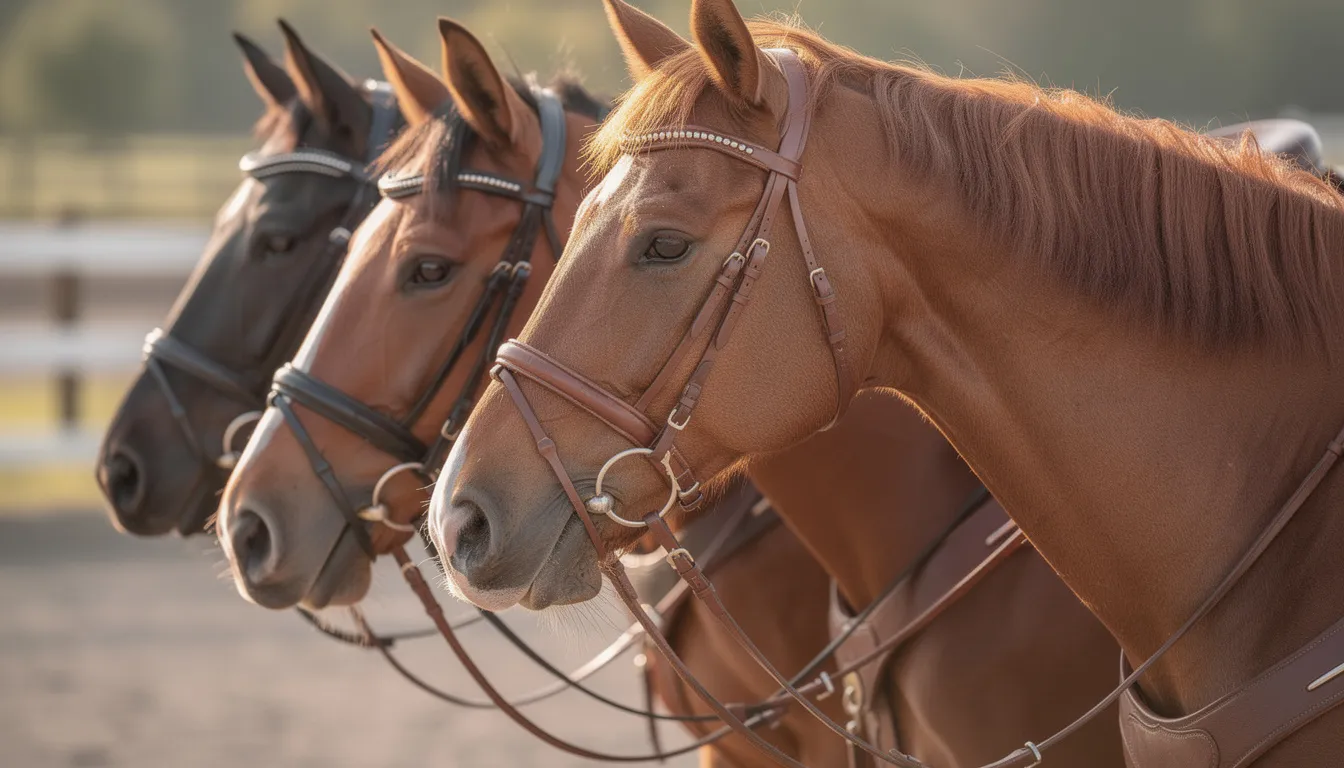
Guided tours include comprehensive insights into park history, geology, and ecology, transforming the ride into an educational journey through one of America’s most spectacular landscapes. Local guides share knowledge about formation processes that created Zion’s distinctive features, Native American cultural connections, and pioneer settlement stories.
The journey typically includes multiple photo stops at scenic overlooks where riders can dismount safely and capture memorable images of both the landscape and their horseback adventure. These breaks also provide opportunities to rest, hydrate, and ask questions about the surrounding environment.
Most tours accommodate different riding abilities within the same group through careful horse selection and guide attention to individual needs. Wrangler ride leaders adjust pace and provide additional instruction as needed to ensure all participants feel confident and secure throughout the experience.
Practical Information for Planning Your Trip
Arrival instructions require participants to arrive 30 minutes early for the check-in process, which includes paperwork completion, safety briefing, and horse assignment. This buffer time prevents delays and ensures adequate preparation for a safe and enjoyable experience.
Cancellation policies typically require 24-hour notice for full refunds, though specific terms vary by operator and season. Weather-related cancellations initiated by operators usually result in full refunds or rescheduling options, while last-minute customer cancellations may incur fees.
Proper attire includes closed-toe shoes with small heels (cowboy boots ideal), long pants for leg protection, and sun protection including hats and sunscreen. Avoid sandals, flip-flops, or loose clothing that could create safety hazards or discomfort during the ride.
Essential items to bring include water for hydration, especially during warmer months, high-SPF sunscreen for desert sun protection, and a camera for capturing memorable adventure moments. Some operators provide water, but carrying personal supplies ensures adequate hydration throughout longer rides.
Optional helmet use varies by operator, with some providing helmets upon request and others requiring them for certain age groups or tour types. Parents should inquire about helmet availability when booking rides for children or inexperienced adult riders.
Booking and Reservation Details
Online booking options are available through various tour operators, including authorized concessionaires like Canyon Trail Rides and independent operators such as East Zion Adventures. Advanced reservations are strongly recommended, especially during peak seasons when demand often exceeds capacity.
Canyon Trail Rides operates as an official concessioner of the National Park Service, providing tours directly within park boundaries from the Emerald Pool trailhead. Their authorized status offers additional credibility and regulatory oversight for visitors seeking officially sanctioned park experiences.
East Zion Adventures operates from Zion Ponderosa Ranch Resort, offering a different experience base with ranch amenities and expanded tour options. Their location provides access to east side trails and elevated perspectives not available through in-park operators.
Group size options range from individual participation in scheduled tours to private group bookings for families or organizations seeking customized experiences. Private tours often provide more flexibility in pacing, route selection, and duration based on group preferences and abilities.
Pricing varies by tour duration and operator, with one-hour rides starting around $60 per person and three-hour adventures reaching $125-155 depending on inclusions like picnic lunch or additional activities. Multi-day experiences require direct contact for custom pricing based on specific requirements.
Contact information for booking includes phone numbers and websites for each operator, with customer service typically available seven days per week during operating seasons. Early booking is recommended for popular time slots and peak travel periods when availability becomes limited.
Accommodation Options Near Horseback Riding Tours
Zion Ponderosa Ranch Resort serves as headquarters for east side adventures, offering on-site accommodations that eliminate travel time between lodging and tour departure points. The ranch provides various accommodation types from cabins to glamping options, creating an integrated western experience.
Driftwood Lodge features luxury rooms with views overlooking Zion National Park, positioning guests within easy reach of Canyon Trail Rides departures from the Emerald Pool trailhead. This convenient location allows guests to participate in horseback tours while staying in the heart of the park area.
Cave Lakes glamping resort serves as a starting point for specialized ROAM tours, combining upscale camping accommodations with unique horseback experiences. This option appeals to visitors seeking comfort amenities while maintaining connection to the outdoor adventure atmosphere.
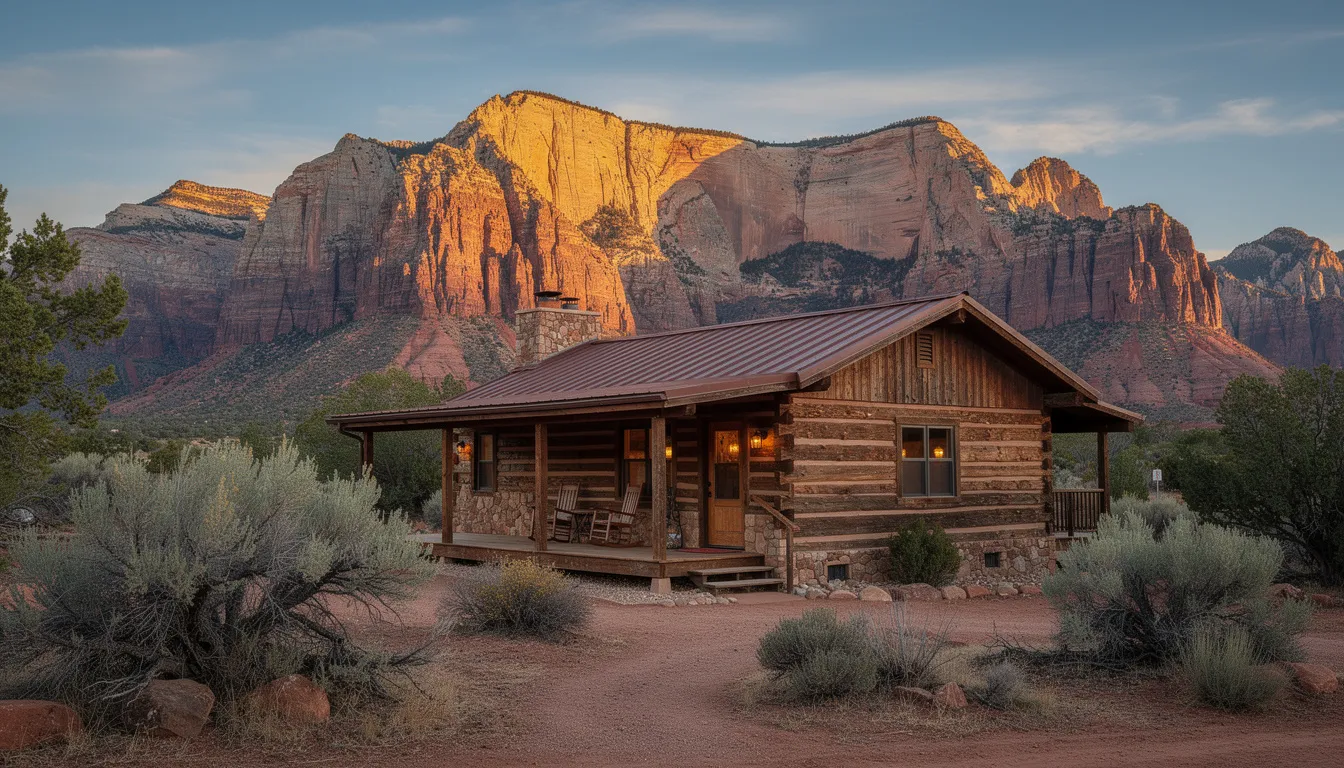
Various cabin, condo, and RV options are available through Zion Stays and other local providers, offering flexibility for different group sizes and budget preferences. These accommodations often provide kitchen facilities and outdoor spaces that enhance the overall Utah camping and adventure experience.
Proximity to tour departure points should influence accommodation selection, as some locations require significant drive times to reach certain operators. Staying near your chosen tour operator reduces logistics complexity and allows more time for other park activities.
Many accommodation providers offer package deals combining lodging with horseback tours and other activities, potentially providing cost savings and simplified booking processes. These packages often include additional amenities like cowboy cookout dinners or complementary activities.
Tips for an Exceptional Horseback Riding Experience
Listen carefully to guide instructions for both safety and maximum enjoyment, as experienced wranglers provide valuable insights into horse behavior, trail conditions, and optimal riding techniques. Their expertise enhances both safety and the overall quality of the experience.
Learning basic horse commands and understanding fundamental horse behavior helps riders communicate more effectively with their mount and increases confidence throughout the ride. Simple commands like “whoa” for stop and “walk on” for forward movement are essential for all riders.
Staying on designated trails protects fragile desert ecosystems while maintaining safe distances from cliff edges and unstable terrain. Trail markers and guide instructions help preserve natural resources while ensuring rider safety in challenging geographic areas.
Photography tips for capturing memorable moments include bringing a secure camera strap, planning shots during designated stops, and focusing on landscape compositions that include both riders and Zion’s distinctive formations. The unique perspective from horseback creates opportunities for exceptional photos unavailable to ground-level photographers.
Maintaining realistic expectations helps ensure satisfaction with the experience, understanding that horses set the pace and weather conditions may affect visibility or comfort levels. Flexibility and positive attitude contribute significantly to enjoyment of outdoor adventures.
Building rapport with your assigned horse through gentle interaction and following guide directions for feeding or petting (when permitted) can enhance the connection between rider and animal, creating a more rewarding experience for both.
Comparing Zion vs Other Horseback Riding Destinations
Zion’s lower elevation and dramatic canyon features contrast sharply with Bryce Canyon’s higher elevation and different geological formations, offering distinct riding experiences within relatively short distances. Zion’s warmer climate extends the riding season compared to higher elevation destinations.
Crowd levels vary significantly between different tour options and departure times, with early morning and late afternoon rides often providing more privacy and intimate experiences compared to midday tours during peak seasons. East side adventures typically encounter fewer crowds than main canyon routes.
Unique landscape features specific to Zion include the contrast between red Navajo sandstone cliffs and the green Virgin River corridor, creating dramatic color combinations unavailable in other southwestern destinations. The park’s geological diversity provides varied scenery throughout individual rides.
Wildlife viewing opportunities in Zion focus on desert and riparian species, differing from mountain destinations that feature alpine animals. The combination of ecosystems within Zion creates diverse observation possibilities during horseback tours.
Historical significance distinguishes Zion horseback experiences through connections to Native American exploration and Mormon pioneer settlement patterns. This cultural heritage adds depth to the adventure beyond pure scenic appreciation, connecting riders to authentic western history that dates back centuries before modern tourism development.
The accessibility of horseback tours within a national park setting provides regulated safety standards and professional guide training that may exceed those found at purely commercial operations in unprotected areas. This oversight contributes to consistent quality and safety standards across different operators working within park boundaries.
Conclusion
Horseback riding in Zion National Park offers visitors an authentic connection to the area’s natural beauty and cultural heritage that simply cannot be replicated through other activities. From gentle rides along the Virgin River to challenging adventures through rugged mountain terrain, these experiences provide access to breathtaking views and memorable adventure opportunities for riders of all skill levels.
The combination of well trained horses, expert guides, and spectacular scenery creates an unforgettable experience that honors both Zion’s rich history and its status as one of America’s premier natural destinations. Whether you’re seeking a brief taste of horseback adventure or an extended wilderness journey, Zion’s diverse tour options accommodate every preference and timeline.
Plan your Zion horseback riding adventure today by contacting authorized operators, reviewing seasonal availability, and preparing for an authentic western experience in one of Utah’s most magnificent landscapes. The memories created during these guided rides through spectacular canyon country will last a lifetime, providing a unique perspective on Zion’s timeless beauty and enduring appeal.